The Agency That Cried Wolf: Inside the Federal Office Still Preparing America for a Threat That Quietly Disappeared Before It Was Founded
WASHINGTON, D.C. — Somewhere on the fourth floor of a nondescript federal building two blocks from the intersection of competence and inertia, approximately 214 full-time employees are doing something important. They are preparing. Specifically, they are preparing for a geopolitical contingency that the State Department, the NSC, and three separate classified intelligence assessments quietly filed under "resolved" in the spring of 2012.
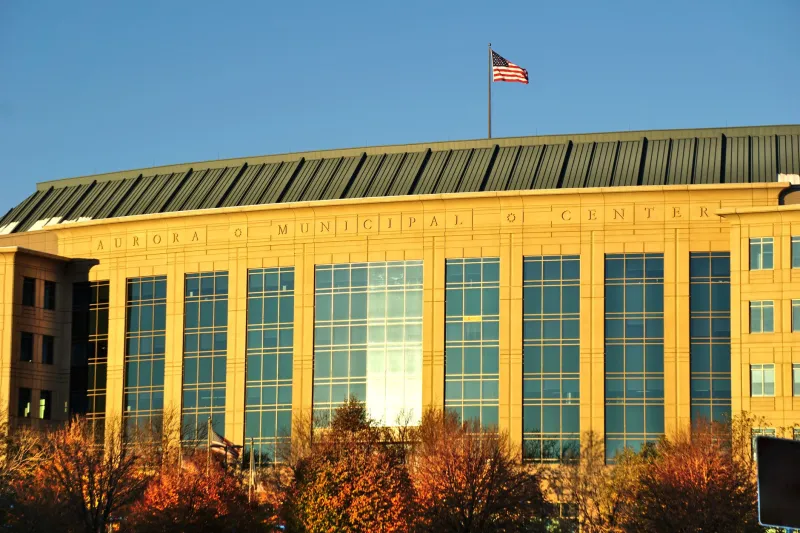
 Photo: WASHINGTON, D.C., via img2.thejournal.ie
The Office of Strategic Preparedness and Continuity Readiness — known within government circles as OSPCR, and within slightly smaller circles as "that office on L Street with the good coffee machine" — was formally chartered in the fall of 2013. Its founding mandate, as laid out in a 47-page executive order, was to coordinate federal response infrastructure for a specific category of threat that its own charter, in retrospect, describes in the past tense three times without anyone apparently noticing.
The Proceedings Today spent six weeks examining OSPCR's public filings, budget justifications, and strategic outlook documents. What we found was a masterpiece of institutional momentum: a $340 million, eleven-year project dedicated entirely to solving a problem that the government itself had already solved before the project began.
What The Threat Was, Roughly
The specifics of OSPCR's founding mandate remain partially classified, which is convenient for everyone involved. What public documents reveal is that the office was established to address what a 2013 White House briefing described as "an emerging and dynamic challenge in the realm of strategic geopolitical stability" — a phrase that, when run through the standard federal translation process, means something was worrying someone at some point.
According to two former mid-level officials who spoke on condition of anonymity because they are now in the private sector and would like to stay there, the original threat scenario was resolved through a combination of diplomatic agreements, changed circumstances, and what one described as "the other country just sort of moving on." This resolution was complete by approximately March 2012.
OSPCR's founding charter was signed in October 2013.
"There's always a lag between events and institutional response," explained Director Marcus Holt, OSPCR's third director, during a sit-down interview in his office, which features a framed copy of the agency's mission statement and a whiteboard with the word "THREATS" written at the top and nothing written below it. "The preparedness infrastructure we've built is not reactive. It's anticipatory. It's forward-leaning."
 Photo: Marcus Holt, via static.playhop.com
Asked in which direction it was leaning, specifically, Holt said: "Forward."
$340 Million, Eleven Years, Zero Incidents
OSPCR's annual budget has grown from $18 million in its inaugural year to just over $47 million in the current fiscal cycle. Over eleven years, the agency has produced 340 internal readiness assessments, hosted 29 interagency preparedness summits, developed a 600-page response framework document that was revised in 2017 to a 900-page response framework document, and onboarded 214 staff members, each of whom was hired to address a threat that, by the most charitable interpretation, has not been relevant since before any of them received their government email addresses.
The agency has never been activated for an actual emergency.
"That's the point," Director Holt said, when this was raised. "If we're never activated, it means we're succeeding. Deterrence works."
It was gently suggested that deterrence against a resolved threat is a philosophical position rather than a strategic one. Holt nodded thoughtfully and said he would have his communications team prepare a response, which arrived four days later and consisted primarily of a link to OSPCR's website.
The Intern Who Knows
Somewhere on the third floor of the L Street building, in a workspace described by colleagues as "near the printer that jams," sits Madison Carver, a 24-year-old unpaid policy intern from American University who joined OSPCR fourteen weeks ago as part of a graduate program practicum requirement.
 Photo: American University, via thumb-nss.xhcdn.com
Carver, according to three people familiar with the situation, identified the core problem with the agency's mandate during her second week on the job, while cross-referencing the founding charter against a publicly available State Department historical digest as part of a routine research assignment.
"She got kind of quiet for a few days," one colleague recalled. "We thought she was just adjusting."
Carver has not raised the matter with her supervisors. She has not flagged it in any memo. She has not mentioned it in her weekly check-ins. When reached by The Proceedings Today for comment, she paused for a long time and then said: "I'm just here to learn."
Asked whether she had learned anything in particular, she said: "Yes."
She graduates in May and has already accepted a position at a consulting firm. The consulting firm, it should be noted, holds three active contracts with OSPCR.
The Road Ahead
Director Holt expressed confidence that OSPCR's next strategic cycle — outlined in a 120-page planning document subtitled Readiness in an Evolving Threat Environment — will position the agency well for the challenges ahead. The document was prepared by an external contractor at a cost of $2.1 million. It does not specify what the threats are, describing them instead as "dynamic, multidimensional, and characteristic of the current moment."
The agency's budget request for next year is $51 million.
A spokesperson confirmed that OSPCR is "fully operational, fully relevant, and fully committed to the mission."
The mission, per the founding charter, remains unchanged.
The threat, per the historical record, remains resolved.
Madison Carver's practicum ends in three weeks. She has been asked if she'd like to stay on. She has not yet replied.