Federal Dictionary Finally Confirms What Everyone Suspected About Government Time

Breaking: Time Is Optional
The Office of Administrative Language Standards has released its long-awaited Federal Temporal Standards Manual, a comprehensive guide that officially codifies what American citizens have suspected for decades: when the government says something will happen "soon," they mean it will happen eventually, possibly, if at all.
The 400-page manual, which was originally scheduled for release in 2018 and has been described as "coming soon" for the past six years, provides legally binding definitions for temporal language used across all federal agencies.
"This manual represents a breakthrough in government transparency," explained Dr. Patricia Holbrook, Director of the Office of Administrative Language Standards, during a press conference that began 47 minutes late. "For the first time in federal history, we're being completely honest about our relationship with time."
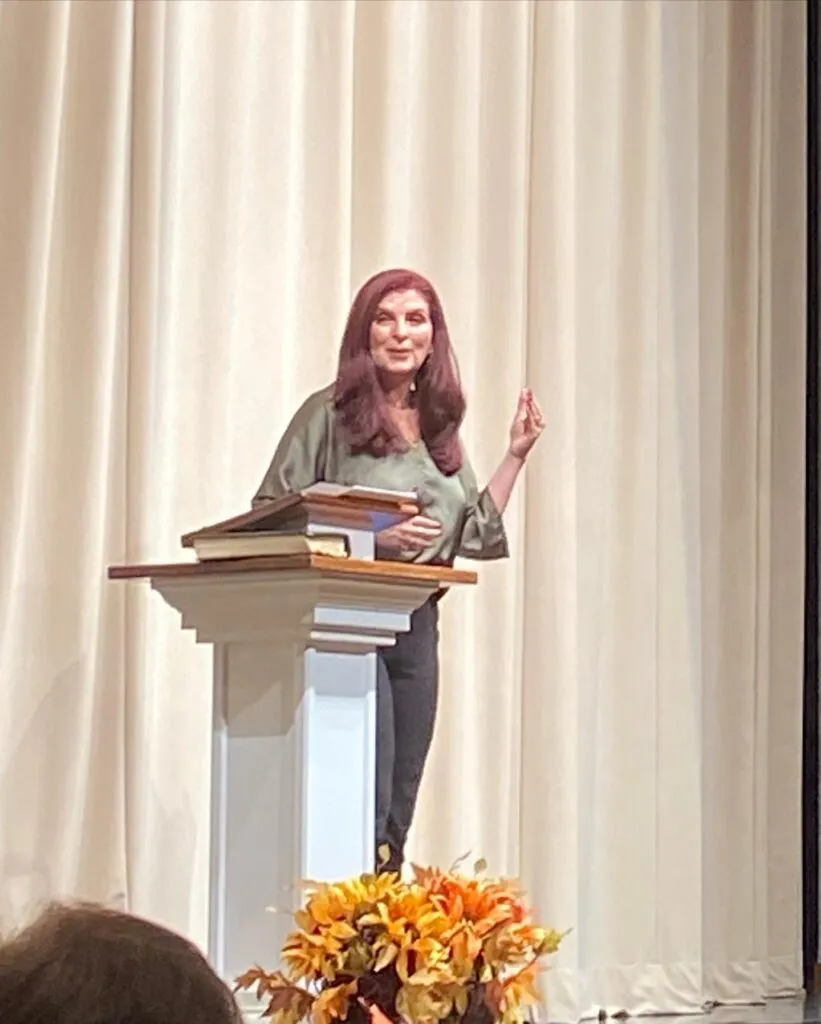 Photo: Dr. Patricia Holbrook, via i0.wp.com
The Definitions That Matter
According to the manual's executive summary, which itself runs 67 pages, key temporal terms have been standardized as follows:
"Immediately": Within the current geological epoch, barring budget constraints, staffing issues, or the discovery of additional forms that need to be filed.
"Soon": Before the heat death of the universe, assuming continued Congressional funding and no changes in departmental priorities.
"Shortly": After completion of all prerequisite studies, environmental impact assessments, and the formation of at least three committees to determine the timeline for forming a timeline committee.
"Forthcoming": Exists in a theoretical state that becomes more theoretical with each inquiry about its status.
"Expedited": The normal process, but with a sense of urgency that dissipates immediately upon use of the word "expedited."
Academic Validation
Dr. Margaret Chen, Professor of Applied Bureaucracy at Georgetown University, has spent the past 11 years studying federal promise language as part of her ongoing research into "Temporal Displacement in Government Communications."
 Photo: Georgetown University, via www.internhousinghub.com
"This manual validates everything we've observed in the field," Dr. Chen explained from her office, where she keeps a wall chart tracking federal promises that are now in their third decade of being "under review." "The government has essentially created its own relationship with time, one that exists independently of physics, calendars, or human lifespan."
Chen's research, which began as a six-month study in 2012 and is now "nearing completion," has documented over 2,847 instances of federal agencies using temporal language with no apparent connection to actual temporal reality.
Implementation Challenges
The manual's release has created what officials describe as a "minor procedural situation" within the federal bureaucracy. Several agencies have discovered that their existing promises, when measured against the new definitions, may have been slightly misleading.
The Department of Veterans Affairs announced that its commitment to process disability claims "immediately" remains on track, noting that the current geological epoch has approximately 500 million years remaining. The Social Security Administration confirmed that its promise to modernize its computer systems "soon" is progressing well within the timeframe of universal expansion.
 Photo: Department of Veterans Affairs, via 1.bp.blogspot.com
"We're confident that our modernization efforts will be completed well before the last star burns out," explained SSA spokesperson Janet Morrison. "That gives us a comfortable buffer of several trillion years."
Legal Implications
The manual's legal status has created what constitutional scholars describe as "an interesting precedent" for government accountability. Attorney General Patricia Williams confirmed that the definitions are now legally binding across all federal agencies, meaning citizens can no longer claim they were misled by government timeline promises.
"This manual provides complete protection for federal agencies against accusations of delay," Williams explained during a Justice Department briefing that was originally scheduled for last Tuesday. "As long as agencies use the approved temporal language, they cannot be held liable for any misunderstanding about when something might actually happen."
Legal expert Dr. Robert Kim noted that the manual effectively creates a new category of government communication that exists "adjacent to reality but not bound by it."
Public Response
Early public reaction to the manual has been surprisingly positive, with many citizens expressing relief at finally understanding government communication.
"It's actually helpful to know that when they say 'soon,' they mean 'never,'" explained Maria Rodriguez, who has been waiting for her FOIA request to be processed since 2019. "Now I can plan accordingly. I've started a college fund for my daughter's children, in case the documents arrive during their lifetime."
Citizen advocacy groups have praised the manual's honesty while noting that it confirms their longstanding suspicions about federal efficiency.
Future Updates
The Office of Administrative Language Standards has announced plans to release updated versions of the manual "periodically," with the next edition expected "when appropriate." According to the new definitions, this means the manual will be updated sometime after the completion of a comprehensive review process that will begin once the current manual has been fully distributed to all relevant agencies.
"We're committed to keeping this manual current and relevant," Dr. Holbrook confirmed. "The next edition will include expanded definitions and will be available immediately upon completion."
The manual is currently available for download from the federal government's website, where it can be accessed "soon" after completing a 23-page user registration process that typically takes "a brief period" to approve.