Elite Democracy Summit Masters Art of Accessible Government Through Invitation-Only Exclusivity
Opening Doors by Closing Them
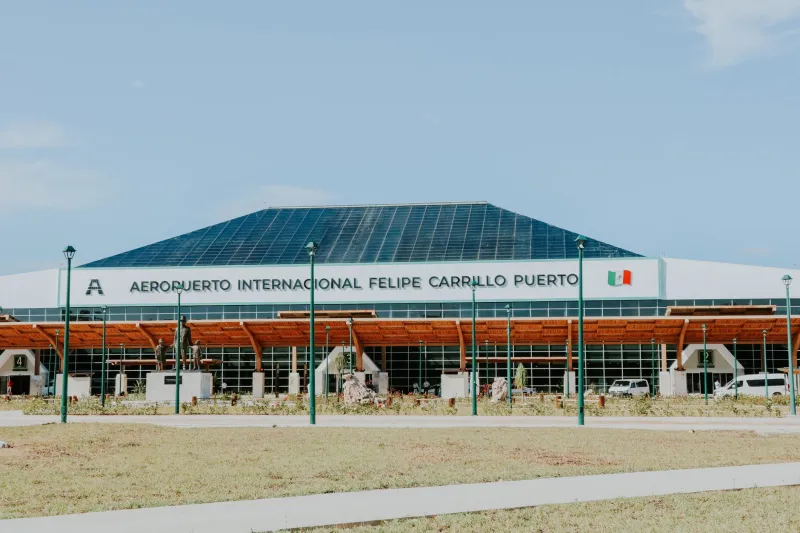
The prestigious Washington Institute for Democratic Renewal concluded its annual "Restoring Public Trust Through Radical Transparency" summit last weekend at the exclusive Willowbrook Resort, where 200 of America's most prominent democracy scholars, former cabinet officials, and good-governance advocates gathered behind closed doors to solve the problem of government feeling inaccessible to ordinary Americans.
 Photo: Willowbrook Resort, via efamagazine.com
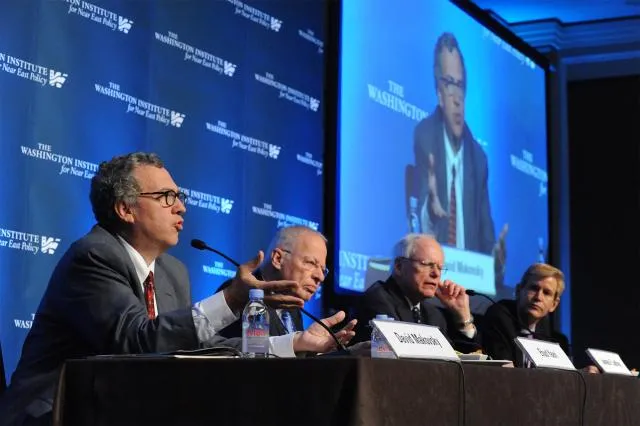 Photo: Washington Institute for Democratic Renewal, via www.washingtoninstitute.org
"The irony is completely intentional," explained summit organizer Dr. Melissa Hartwell of Georgetown University's Center for Public Engagement. "Sometimes you have to exclude people to figure out how to include them. It's like democracy, but more efficient."
 Photo: Georgetown University, via www.internhousinghub.com
Attendance was strictly by invitation, with organizers carefully curating a guest list of individuals who have dedicated their careers to explaining why other people should have more access to the democratic process they were currently participating in without those other people present.
The Science of Strategic Seclusion
The summit's opening panel, "Breaking Down Barriers to Civic Participation," was held in the resort's private Aurora Room, accessible only through a security checkpoint requiring government-issued credentials that most citizens don't possess. Former Deputy Secretary of Public Engagement Patricia Chen delivered the keynote address on "Meeting People Where They Are" to an audience that had traveled an average of 847 miles to avoid meeting people where they actually are.
"We've identified the core problem," Chen announced to applause from attendees sipping $18 cocktails. "Government feels distant and exclusive to regular Americans. The solution is obvious: we need to make it feel less distant and exclusive, which we'll accomplish by gathering the right people in the right place to make the right decisions about what regular people need."
The panel featured a robust discussion about removing barriers to public participation, moderated by three individuals whose combined annual speaking fees exceed most Americans' lifetime earnings.
Transparency Through Opacity
Saturday's highlight was a working lunch titled "Radical Transparency: Making Government Work for Everyone," where participants dined on pan-seared halibut while developing strategies to make government more relatable to families struggling with grocery bills. The menu was described as "off the record" for security reasons that remained classified.
"We're not hiding anything," insisted summit co-chair Dr. Robert Morrison of the American Democracy Foundation. "We're strategically protecting the integrity of our transparency initiatives. You can't have real openness without some closed-door preliminary openness planning."
Attendees received 347-page briefing books containing detailed analyses of why Americans feel disconnected from their government, written entirely by people who have never experienced that disconnection. The briefing books were printed on security paper and collected at the end of each session to prevent unauthorized transparency.
Workshop Innovations
Sunday's breakout sessions produced groundbreaking insights into public engagement. The "Listening to Ordinary Americans" workshop, conducted without any ordinary Americans present, concluded that ordinary Americans want their voices heard but lack the expertise to know what they actually want to say.
"We've done the listening for them," explained workshop leader Dr. Amanda Foster of Harvard's Institute for Democratic Innovation. "After extensive discussion among democracy professionals, we've determined that regular citizens want exactly what we think they should want: more access to the kind of high-level democratic discourse we're having right here."
The "Rebuilding Civic Trust" session, held in a soundproof conference room, generated twelve specific recommendations for making government feel more trustworthy, including the creation of new advisory committees staffed by the same people who attended the summit to advise the summit attendees about implementing the summit's recommendations.
Policy Innovations
The summit's crown achievement was the development of the "National Civic Engagement Enhancement Protocol," a comprehensive framework for increasing public participation in democracy. The protocol includes provisions for citizen advisory panels, public comment periods, and community engagement sessions, all of which would be designed and overseen by rotating committees of summit alumni.
"We're democratizing democracy," announced Dr. Foster during the closing ceremony. "By centralizing democratic expertise among qualified democracy professionals, we can ensure that public engagement happens in the most publicly engaging way possible."
The protocol document runs 89 pages and will be made available to the public through a federal repository that requires citizens to first complete a digital literacy assessment and provide three forms of identification.
Implementation Strategy
Summit participants departed via chartered flights (carbon offsets purchased separately) with a shared commitment to implementing the weekend's insights through their existing networks of think tanks, academic institutions, and consulting firms. The implementation strategy involves a series of regional conferences, invitation-only workshops, and expert panels to educate local democracy professionals about engaging with their communities.
"We're taking this message directly to the people," explained Dr. Hartwell while boarding a private jet. "By 'the people,' of course, we mean the people who work with the people. Direct democracy is too important to leave to amateurs."
Expert Analysis
The Brookings Institution praised the summit's innovative approach to solving democratic accessibility through strategic inaccessibility. "This represents a breakthrough in democratic theory," noted senior fellow Dr. James Patterson. "They've proven that the best way to understand what regular Americans want is to gather people who aren't regular Americans in a place regular Americans can't go and let them figure it out professionally."
Next year's summit, titled "Government of the People, By the People, For the People: A Professional Approach," is already sold out to the same 200 democracy experts who attended this year's gathering, ensuring continuity in the ongoing effort to make American government feel less exclusive to the Americans who aren't invited to explain how to make it feel less exclusive.