Town Hall Theater: How 600 Voices Became Zero Answers in Two Hours of Perfect Democracy
The Democratic Spectacle Begins
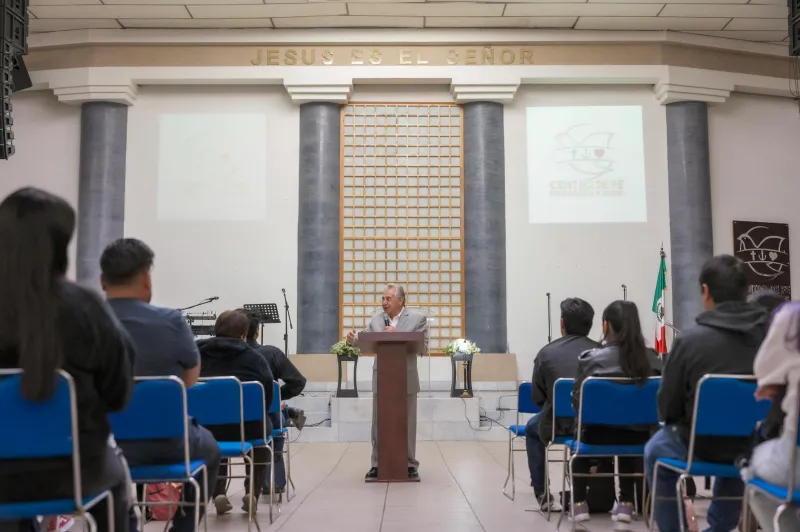
The Millerville Community Center buzzed with the nervous energy of 600 constituents who had somehow convinced themselves that this time—this time—their congressman might actually answer a question directly. Representative Mike Thornberry (R-TX) had perfected the art of the town hall over his 18-year career, transforming what should be a simple Q&A session into something resembling performance art.
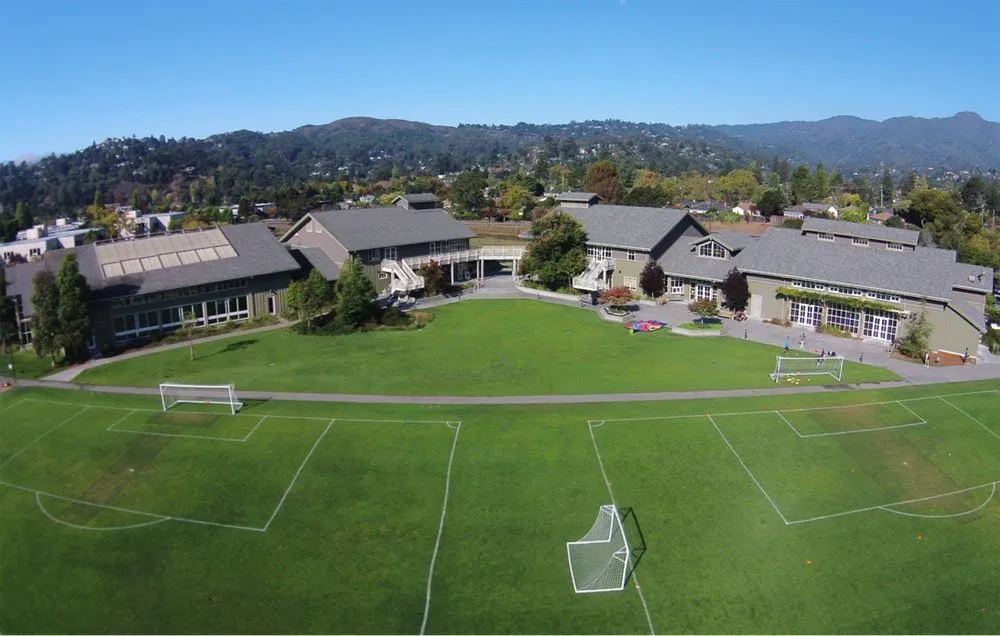 Photo: Millerville Community Center, via openaire.com
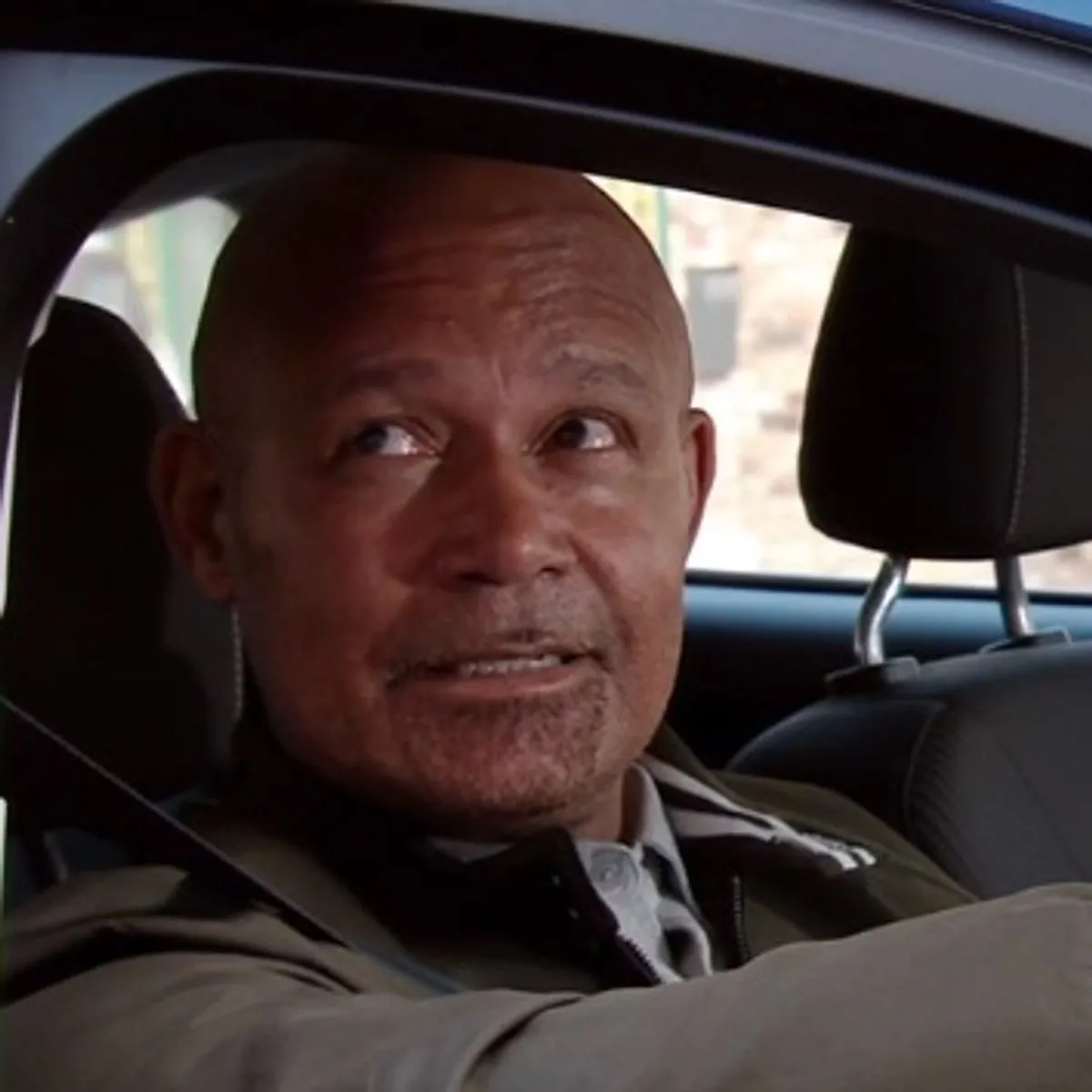 Photo: Representative Mike Thornberry, via i2-prod.manchestereveningnews.co.uk
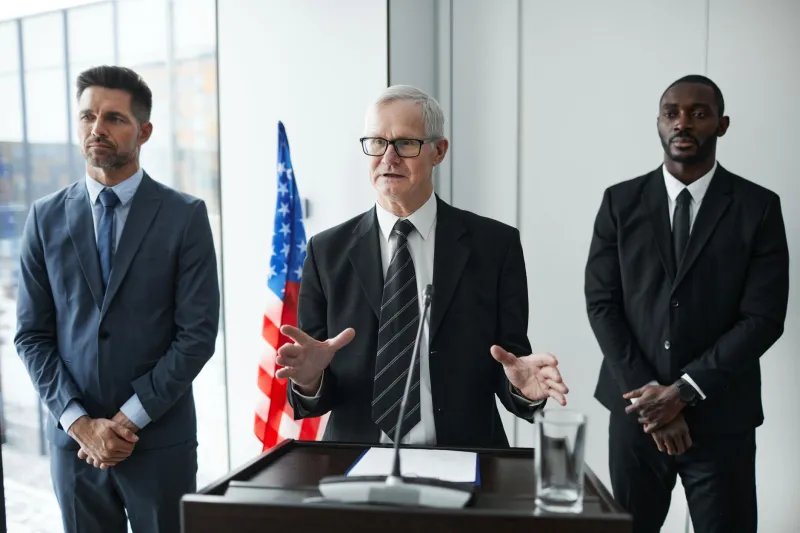
"Welcome to our annual conversation," Thornberry announced from behind a podium strategically positioned to maximize the distance between himself and the audience. "I'm here to listen, learn, and engage with your concerns in a meaningful way."
What followed was a masterclass in political aikido—the ancient art of redirecting force while appearing to engage with it directly.
The Thornberry Method
Thornberry's approach to constituent questions follows what his communications director, Janet Walsh, describes as "responsive deflection." The technique involves acknowledging that a question was asked, expressing appreciation for the question, then discussing something tangentially related until everyone forgets what was originally asked.
"Congressman Thornberry has perfected the art of the non-answer," explains Dr. Rebecca Martinez, a political scientist at UT Austin who has attended 23 of Thornberry's town halls as part of a longitudinal study she calls "Democracy's Most Optimistic Recurring Disappointment."
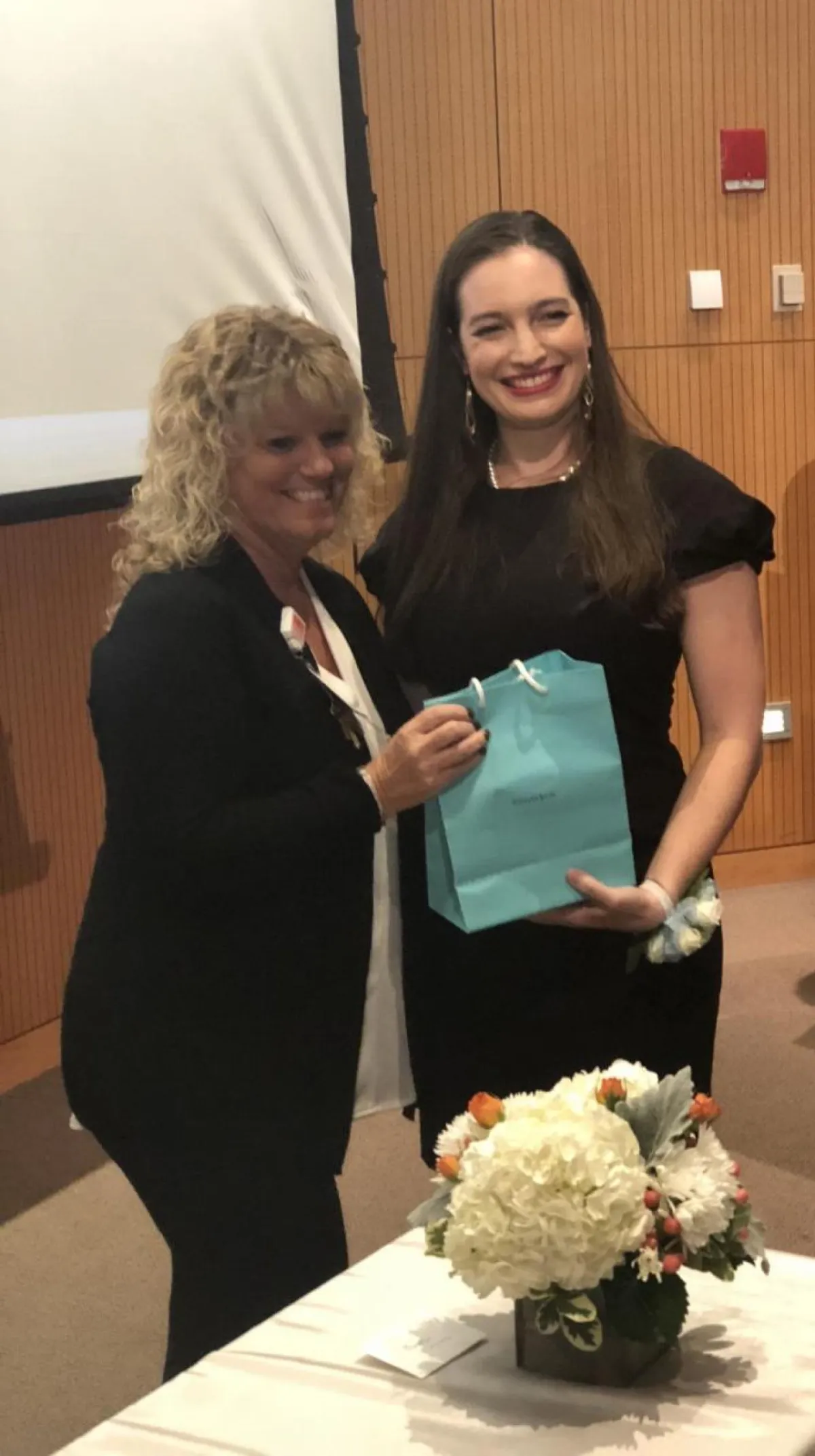 Photo: Dr. Rebecca Martinez, via www.anesthesiology.cuimc.columbia.edu
"He never says 'no' to anyone," Martinez notes. "But he also never says 'yes.' Instead, he creates this linguistic space where anything seems possible while nothing actually happens."
The first question came from Maria Santos, a local teacher asking about education funding cuts. Thornberry's response began with "Thank you for that excellent question about our children's future," then seamlessly transitioned into a five-minute discussion about his own educational background, his respect for teachers, and the complexity of federal budget processes, before concluding with a promise to "continue working on solutions that work for everyone."
Santos left the microphone looking puzzled, unsure whether she'd been heard or dismissed.
The Infrastructure of Avoidance
Thornberry's town halls operate according to what Walsh calls "structured spontaneity." Questions are technically unscripted, but the format ensures that spontaneity dies a quick death upon contact with Thornberry's response system.
"The congressman has developed 47 different ways to say 'I hear you' without committing to any specific action," Walsh explains proudly. "It's really quite sophisticated. He can acknowledge concerns about healthcare, immigration, and infrastructure using virtually identical language, then pivot to his core talking points regardless of what was actually asked."
The second question, from retired mechanic Frank Rodriguez, concerned rising prescription drug costs. Thornberry responded with enthusiasm about "working across the aisle to find bipartisan solutions to the challenges facing hardworking Americans like Frank," then spent four minutes discussing his membership on the House Committee on Armed Services, which has no jurisdiction over drug prices.
"It's like watching someone answer a completely different question with tremendous confidence," observed Janet Kim, a local nurse who asked about healthcare worker shortages and received a response about border security that somehow circled back to thanking her for her service.
The Communications Strategy
Walsh, Thornberry's communications director, has developed what she calls the "Comprehensive Engagement Documentation System"—a method for transforming constituent frustration into newsletter content that portrays the town hall as a resounding success.
"Every question is logged, categorized, and processed through our response framework," Walsh explains. "We track sentiment, identify themes, and develop messaging that demonstrates the congressman's deep engagement with community concerns."
The system allows Walsh to write thank-you newsletters that technically aren't lying while completely misrepresenting what actually happened. This year's newsletter, sent to 45,000 constituents, described the town hall as "two hours of robust dialogue" and "meaningful exchange of ideas" while noting that Thornberry "addressed concerns ranging from education to healthcare to economic development."
The newsletter failed to mention that none of these concerns were actually addressed in any substantive way.
The Academic Perspective
Dr. Martinez has been studying town halls for two decades and describes Thornberry's events as "democracy's most elaborate theater."
"What's fascinating is that everyone involved knows exactly what's happening," Martinez explains. "The constituents know they won't get real answers. The congressman knows he won't give real answers. But everyone participates in this elaborate ritual anyway, as if the mere act of gathering in the same room somehow constitutes democratic representation."
Martinez's research has identified what she calls "the town hall paradox"—the phenomenon where events designed to increase democratic accountability actually decrease it by providing the appearance of engagement without the substance.
"Thornberry is a master of what I call 'performative listening,'" Martinez notes. "He demonstrates all the visual and verbal cues of someone who is deeply engaged with constituent concerns while ensuring that no constituent concern actually affects his positions or voting patterns."
The Constituent Experience
For attendees, the town hall represents an exercise in civic optimism that borders on the delusional. Despite years of evidence that their questions will be deflected, transformed, or simply ignored, hundreds of constituents continue to attend with prepared questions and genuine hope for substantive engagement.
"I've been coming to these things for eight years," admits local business owner Patricia Williams. "I keep thinking maybe this time will be different. Maybe this time he'll actually tell us where he stands on something specific. But then he does that thing where he talks for five minutes without saying anything, and I realize I've been Charlie Brown trying to kick the football again."
Williams asked about small business tax policy and received a response about Thornberry's commitment to "supporting the entrepreneurial spirit that makes America great" followed by an extended anecdote about his grandfather's hardware store that somehow avoided mentioning taxes entirely.
The Perfect System
From Thornberry's perspective, the town hall format represents democratic engagement at its finest—a system that allows him to demonstrate accessibility while avoiding accountability.
"The congressman values these opportunities to connect with constituents," Walsh explains. "He takes every question seriously and provides thoughtful responses that reflect his deep understanding of the complex issues facing our community."
When pressed for examples of specific policy positions Thornberry has taken based on town hall input, Walsh becomes momentarily philosophical: "Democracy isn't about simple answers to complex questions. It's about ongoing dialogue and relationship-building. The congressman is always listening, always learning, always growing."
This approach has served Thornberry well electorally. Despite never taking clear positions on controversial issues, he has been reelected nine times with comfortable margins, suggesting that voters appreciate the appearance of engagement more than its substance.
The Institutional Assessment
Political scientists studying the town hall phenomenon have reached a sobering conclusion: these events may actually undermine democratic accountability by providing representatives with a forum to appear responsive while avoiding responsibility.
"The town hall has become democracy's participation trophy," argues Dr. James Henderson of Georgetown University. "Everyone gets to feel like they've engaged in the democratic process, but no actual democracy occurs. It's civic theater that substitutes performance for governance."
Henderson's research suggests that representatives who hold regular town halls are actually less responsive to constituent concerns than those who avoid public forums entirely, possibly because the town halls provide an outlet for constituent frustration without requiring policy changes.
The Newsletter Victory Lap
Three days after the town hall, Thornberry's newsletter arrived in constituent mailboxes with the subject line "Thank You for an Incredible Evening of Democracy in Action." The newsletter described the event as "two hours of meaningful dialogue" and praised attendees for their "thoughtful questions and genuine engagement."
The newsletter included quotes from the evening, though careful readers might notice that all the quotes were from Thornberry himself, describing his own responses to questions rather than the questions themselves.
"Events like these remind me why I love representing the good people of our district," Thornberry was quoted as saying. "The diversity of perspectives and the quality of dialogue make me optimistic about our democratic future."
No constituents were quoted in the newsletter, though Walsh notes that their "voices were heard and their concerns were documented for future reference."
As Dr. Martinez prepares for next year's town hall—number 24 in her ongoing study—she remains fascinated by the persistence of democratic optimism in the face of overwhelming evidence that town halls accomplish nothing.
"It's really quite remarkable," she reflects. "Six hundred people will show up next year, convinced that this time will be different. And in a way, that optimism might be the most democratic thing about the whole process—the belief that citizens should be able to get straight answers from their representatives, even when all evidence suggests they can't."