Government's Urgency Classification System Reveals 17 Types of Urgent, Zero Meaning This Year

The Hierarchy of Immediate Action
A sweeping review of federal urgency protocols has revealed that the U.S. government operates using 17 distinct classifications of "urgent," each with its own timeline, approval process, and likelihood of generating actual activity. The audit, conducted by the Office of Administrative Efficiency, found that agencies have developed increasingly sophisticated methods of categorizing time-sensitive matters, with the most urgent classification averaging 14 months from designation to initial review.
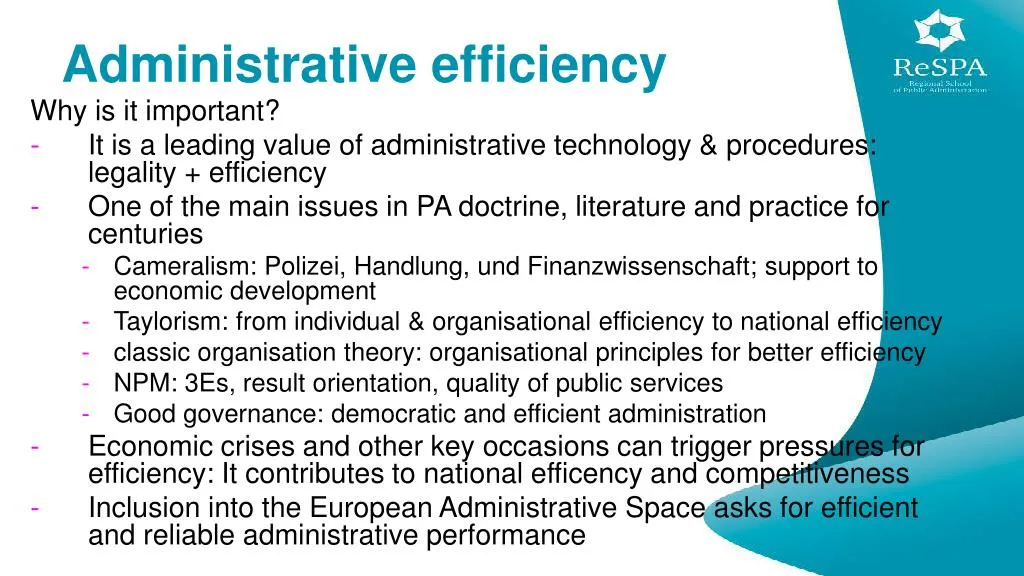 Photo: Office of Administrative Efficiency, via image2.slideserve.com
"Our urgency framework reflects the complex realities of modern governance," explains Dr. Patricia Coleman, Director of Priority Management Systems. "When you're dealing with matters of national importance, you can't just rush into action without proper categorization and stakeholder consultation."
 Photo: Dr. Patricia Coleman, via cache.legacy.net
The most common designation, "Urgent (Standard)," applies to approximately 67% of all urgent matters and carries an average processing time of 18 months. This category includes items like infrastructure repairs, regulatory updates, and congressional information requests that require "immediate attention within normal bureaucratic timeframes."
The Spectrum of Immediacy
At the apex of the urgency hierarchy sits "Urgent (Crisis-Adjacent)," a classification reserved for matters that "could potentially require rapid response pending further assessment." Only three items have received this designation since 2018, including a cybersecurity vulnerability report that is currently in its fourth year of expedited review.
"Crisis-Adjacent urgency requires extraordinary care," notes Deputy Director Michael Torres. "You can't just respond to potential crises without first establishing whether they constitute actual crises, which requires comprehensive crisis evaluation protocols."
 Photo: Deputy Director Michael Torres, via cdn.newsday.com
The middle tier includes "Urgent (Conditional)" for matters that become urgent only after specific criteria are met, and "Urgent (Deferred)" for issues too urgent to address immediately. The latter category has grown 340% since 2020, reflecting what officials call "strategic urgency management."
The Administrative Buffer Zone
Perhaps most revealing is "Urgent (Pre-Review Pending)," which encompasses matters awaiting determination of their urgency level. This meta-category currently contains 2,847 items, including a 2019 request to expedite the urgency classification process itself.
"Pre-Review Pending represents our commitment to accuracy," explains Classification Specialist Janet Morrison. "We refuse to rush into urgency determinations without proper urgency assessment procedures."
The pre-review process involves a 12-step evaluation including stakeholder consultation, precedent analysis, and what the manual describes as "urgency impact modeling." Items typically spend 8-14 months in pre-review before advancing to preliminary urgency consideration.
A subset of this category, "Urgent (Pre-Review Pending: Expedited)," was created for matters too urgent for standard pre-review timelines. The expedited process reduces initial assessment time from 14 months to 11 months, though it requires additional documentation explaining why standard urgency protocols proved insufficient.
The Archive of Immediate Action
At the system's most philosophical level lies "Urgent (Archived)," a designation for matters that were once urgent but have achieved a state of "temporal transcendence." These items remain officially urgent while being stored in specialized urgent archives pending future urgent action.
"Archived urgency preserves the essential urgentness of urgent matters even when immediate action becomes temporally inappropriate," clarifies Dr. Coleman. "It's a sophisticated approach to maintaining urgency integrity across extended timeframes."
The urgent archives currently contain 14,000 items dating back to 1987, including emergency preparedness plans, critical infrastructure assessments, and a memo about improving response times. Archive items are reviewed annually to determine whether they qualify for "Urgent (Re-Activation Pending)" status.
The Innovation of Flexible Urgency
Recent additions to the urgency taxonomy reflect evolving governmental needs. "Urgent (Pilot Program)" allows agencies to test urgent responses on non-urgent matters, while "Urgent (Consultation Required)" ensures that urgent items receive proper inter-agency coordination before urgent action begins.
"We've learned that effective urgency requires careful planning," notes former OMB official Dr. Rebecca Martinez, who helped develop the current classification system. "You can't just respond urgently without first establishing appropriate urgent response frameworks."
The consultation process typically involves 6-8 agencies and requires what officials call "urgency harmonization meetings" to ensure consistent urgent approaches. These meetings are themselves classified as "Urgent (Coordination)" and follow expedited scheduling protocols that allow them to be arranged within 60-90 days.
Measuring Urgent Success
The audit found that the current urgency system has successfully processed 847 urgent matters since 2019, with 23% advancing beyond initial classification and 8% receiving preliminary action consideration. Officials cite these numbers as evidence of the system's discriminating effectiveness.
"Our rigorous urgency standards ensure that only truly urgent matters receive urgent treatment," explains Torres. "It's a quality-over-quantity approach to immediate action."
The most successful urgency category appears to be "Urgent (Routine)," which applies to regularly occurring urgent situations like budget deadlines and regulatory renewals. These items follow established urgent procedures and typically achieve resolution within 24-36 months of initial urgent designation.
The Meta-Review Initiative
Recognizing potential improvements, the Office of Administrative Efficiency has launched a comprehensive review of the urgency review process itself. The "Urgent Systems Optimization Initiative" aims to streamline urgency classification through what officials describe as "next-generation urgency methodologies."
"We're examining whether our current urgency framework adequately serves the urgency needs of modern government," explains Initiative Director Dr. Sarah Chen. "It's possible we need additional urgency categories to capture the full spectrum of governmental immediacy."
The optimization initiative, classified as "Urgent (Systemic Review)," began in March 2021 and is expected to produce preliminary recommendations by late 2024. The review process involves analyzing urgency data from 73 federal agencies and conducting stakeholder interviews with urgency classification specialists.
Historical Context and Future Urgency
Interestingly, the audit itself was originally designated as "Urgent (Comprehensive)" in March 2021, reflecting the pressing need to understand federal urgency management. The 340-page report required 28 months to complete, demonstrating what officials call "appropriate urgency pacing for complex analytical tasks."
"This audit represents urgent action at its finest," concludes Dr. Coleman. "We've provided the federal government with essential insights into its own urgency capabilities, which will inform urgent decision-making for years to come."
As of press time, the audit's recommendations were being processed through the standard urgency classification system, having been designated "Urgent (Implementation Planning)" with an estimated timeline of 18-24 months for initial consideration. Officials remain confident that this careful approach will ensure urgent improvements to federal urgency management, eventually.